Introduction to Queue Data Structure
Content:
<h1>Introduction to Queue Data Structure</h1>
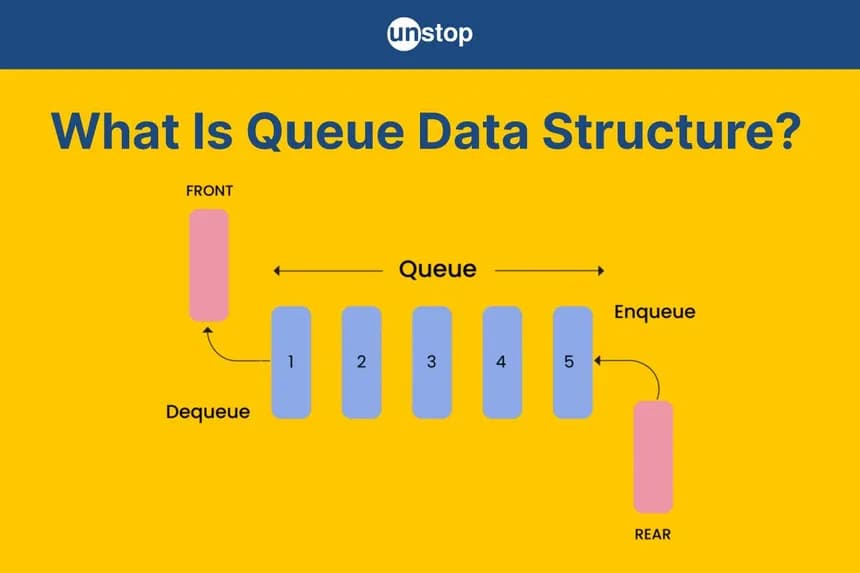
<p>A <b>Queue</b> is a linear data structure that follows the principle of <b>First In, First Out (FIFO)</b>. This means the element inserted first is the first one to be removed.</p>
<p>Queues are widely used in <a href="/blogs/introduction-to-operating-systems">Operating Systems</a>, networking systems, and algorithm design covered under <a href="/blogs/introduction-to-data-structures-and-algorithms">Data Structures and Algorithms</a>.</p>
<hr/>
<h2>1. Basic Concept of Queue</h2>
<p>A queue can be compared to a real-life waiting line, such as people standing in a queue at a ticket counter. The person who arrives first is served first.</p>
<p>This ordered processing makes queues ideal for scheduling and resource management.</p>
<hr/>
<h2>2. Core Operations on Queue</h2>
<ul>
<li><b>Enqueue</b> – Insert an element at the rear of the queue.</li>
<li><b>Dequeue</b> – Remove an element from the front of the queue.</li>
<li><b>Front</b> – View the first element without removing it.</li>
<li><b>Rear</b> – View the last element of the queue.</li>
<li><b>isEmpty</b> – Check if the queue is empty.</li>
<li><b>isFull</b> – Check if the queue is full (in static implementation).</li>
</ul>
<p>All major queue operations are designed to run in constant time.</p>
<hr/>
<h2>3. Types of Queues</h2>
<ul>
<li><b>Simple Queue</b> – Basic FIFO structure.</li>
<li><b>Circular Queue</b> – Rear connects back to the front to optimize memory usage.</li>
<li><b>Priority Queue</b> – Elements are processed based on priority.</li>
<li><b>Deque (Double-Ended Queue)</b> – Insertion and deletion at both ends.</li>
</ul>
<p>Priority queues are heavily used in scheduling algorithms and graph algorithms.</p>
<hr/>
<h2>4. Queue Implementation Techniques</h2>
<ul>
<li><b>Array-based Implementation</b> – Uses fixed or dynamic arrays.</li>
<li><b>Linked List Implementation</b> – Uses nodes with front and rear pointers.</li>
</ul>
<p>Memory allocation and process scheduling for queues are handled at the OS level by <a href="/blogs/introduction-to-operating-systems">Operating Systems</a>.</p>
<hr/>
<h2>5. Queue in Operating Systems</h2>
<p>Queues are essential in operating systems for:</p>
<ul>
<li>CPU scheduling</li>
<li>Disk scheduling</li>
<li>Process management</li>
</ul>
<p>Ready queues and waiting queues help the OS manage multiple processes efficiently.</p>
<hr/>
<h2>6. Queue in Algorithms</h2>
<p>Queues are commonly used in algorithm design, especially in:</p>
<ul>
<li>Breadth-First Search (BFS)</li>
<li>Level-order traversal of trees</li>
<li>Sliding window problems</li>
</ul>
<p>These applications are core topics in <a href="/blogs/introduction-to-data-structures-and-algorithms">DSA</a>.</p>
<hr/>
<h2>7. Queue in Networking and Systems</h2>
<p>In networking, queues manage packets waiting to be transmitted.</p>
<p>Routers and switches rely on queues to handle traffic efficiently, which directly links queue concepts with <a href="/blogs/introduction-to-computer-networks">Computer Networks</a>.</p>
<hr/>
<h2>8. Advantages of Queue</h2>
<ul>
<li>Fair data processing</li>
<li>Efficient resource utilization</li>
<li>Ideal for scheduling tasks</li>
</ul>
<hr/>
<h2>9. Limitations of Queue</h2>
<ul>
<li>No random access to elements</li>
<li>Overflow issues in static queues</li>
</ul>
<hr/>
<h2>10. Queue vs Stack</h2>
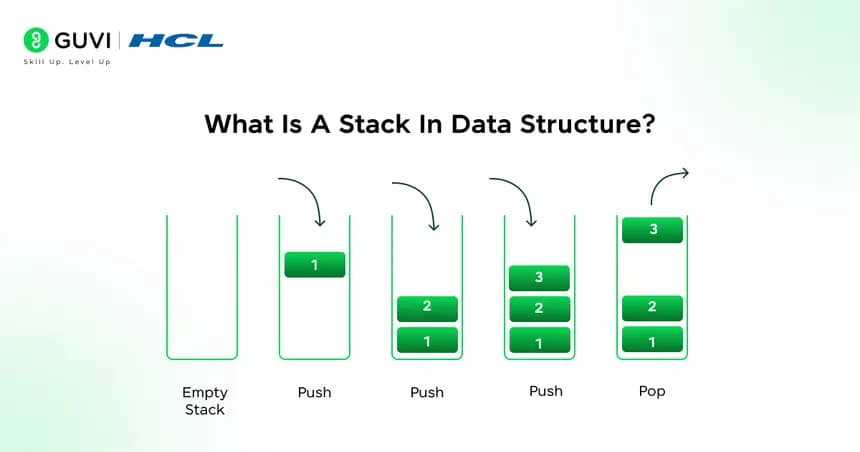
<p>Unlike <a href="/blogs/introduction-to-stack-data-structure">Stacks</a>, queues process elements in the order they arrive.</p>
<p>This makes queues suitable for real-time systems and scheduling problems.</p>
<hr/>
<p>The queue data structure is a core concept in computer science and is indispensable in operating systems, networking, and large-scale software systems.</p>
Written by
Admin
Expert education content writer at StuTeach with extensive knowledge in Indian education systems, tutoring methodologies, and student success strategies. Specializes in data-structure, queue, fifo.