Introduction to Divide and Conquer Algorithms
<h1>Introduction to Divide and Conquer Algorithms</h1>
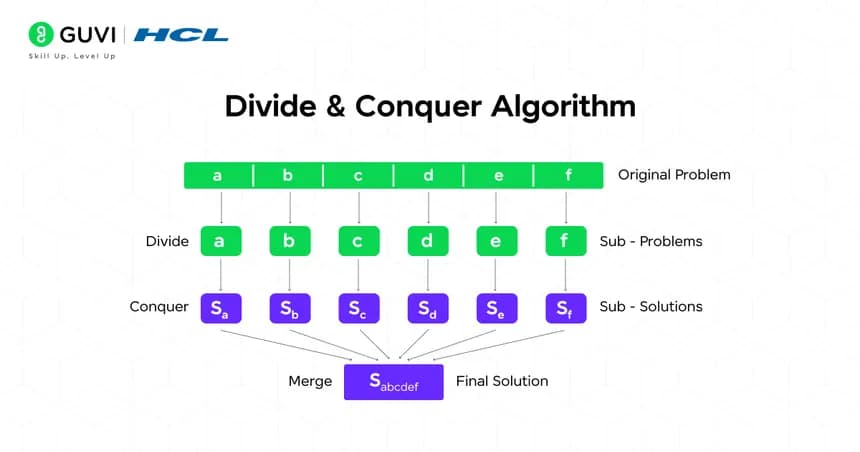
<p><b>Divide and Conquer</b> is an algorithmic paradigm that solves a problem by dividing it into smaller subproblems, solving each subproblem independently, and then combining their results to form the final solution.</p>
<p>This approach is a fundamental concept in <a href="/blogs/introduction-to-data-structures-and-algorithms">Data Structures and Algorithms</a> and is widely used in systems built using <a href="/blogs/introduction-to-software-engineering">Software Engineering</a>, as well as in performance-critical components of <a href="/blogs/introduction-to-operating-systems">Operating Systems</a>.</p>
<hr/>
<h2>1. Why Divide and Conquer is Important</h2>
<p>Many complex problems become manageable when broken down into smaller, independent parts.</p>
<p>Divide and Conquer improves performance and scalability, which is essential for large datasets handled by <a href="/blogs/introduction-to-database-management-systems-dbms">DBMS</a> and data-intensive applications.</p>
<hr/>
<h2>2. Core Steps of Divide and Conquer</h2>
<ul>
<li><b>Divide</b> – Break the problem into smaller subproblems.</li>
<li><b>Conquer</b> – Solve each subproblem recursively.</li>
<li><b>Combine</b> – Merge solutions of subproblems.</li>
</ul>
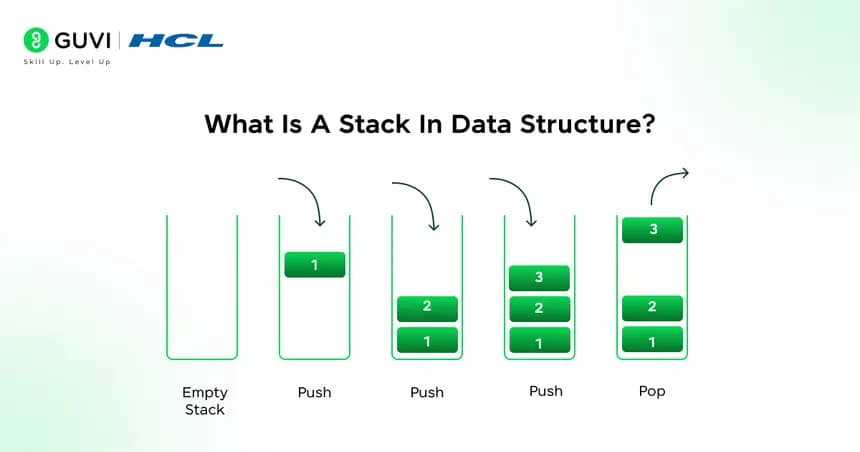
<p>This recursive structure relies on the <a href="/blogs/introduction-to-stack-data-structure">call stack</a> managed by the operating system.</p>
<hr/>
<h2>3. Divide and Conquer vs Other Techniques</h2>
<p>Unlike <a href="/blogs/introduction-to-greedy-algorithms">Greedy Algorithms</a>, divide and conquer explores all subproblems systematically.</p>
<p>Compared to <a href="/blogs/introduction-to-dynamic-programming">Dynamic Programming</a>, it does not always store intermediate results.</p>
<hr/>
<h2>4. Common Divide and Conquer Algorithms</h2>
<ul>
<li>Merge Sort</li>
<li>Quick Sort</li>
<li>Binary Search</li>
<li>Strassen’s Matrix Multiplication</li>
</ul>
<p>Merge Sort and Quick Sort are widely discussed under <a href="/blogs/introduction-to-sorting-algorithms">Sorting Algorithms</a>.</p>
<hr/>
<h2>5. Divide and Conquer in Searching</h2>
<p>Binary Search is a classic example of divide and conquer.</p>
<p>It efficiently searches sorted data and is commonly used in <a href="/blogs/introduction-to-database-management-systems-dbms">DBMS indexing</a> and file systems.</p>
<hr/>
<h2>6. Divide and Conquer in Operating Systems</h2>
<p>Operating systems apply divide and conquer concepts in process scheduling, memory management, and parallel task execution.</p>
<p>This approach improves performance on multi-core systems.</p>
<hr/>
<h2>7. Divide and Conquer in Software Engineering</h2>
<p>Large software systems are decomposed into smaller modules.</p>
<p>This modularity aligns with divide and conquer principles and improves maintainability and scalability.</p>
<hr/>
<h2>8. Advantages of Divide and Conquer</h2>
<ul>
<li>Efficient problem-solving</li>
<li>Supports parallel execution</li>
<li>Clear and structured approach</li>
</ul>
<hr/>
<h2>9. Limitations</h2>
<ul>
<li>Recursive overhead</li>
<li>Not optimal for overlapping subproblems</li>
</ul>
<hr/>
<p>Divide and Conquer is a powerful algorithmic strategy that underpins many efficient algorithms used in databases, operating systems, and modern software systems.</p>
Written by
Admin
Expert education content writer at StuTeach with extensive knowledge in Indian education systems, tutoring methodologies, and student success strategies. Specializes in divide-and-conquer, algorithms, data-structures.